Measure What Matters
Fifty boys developing stronger resilience and clear aspirations represent far greater impact than a hundred unengaged visits.
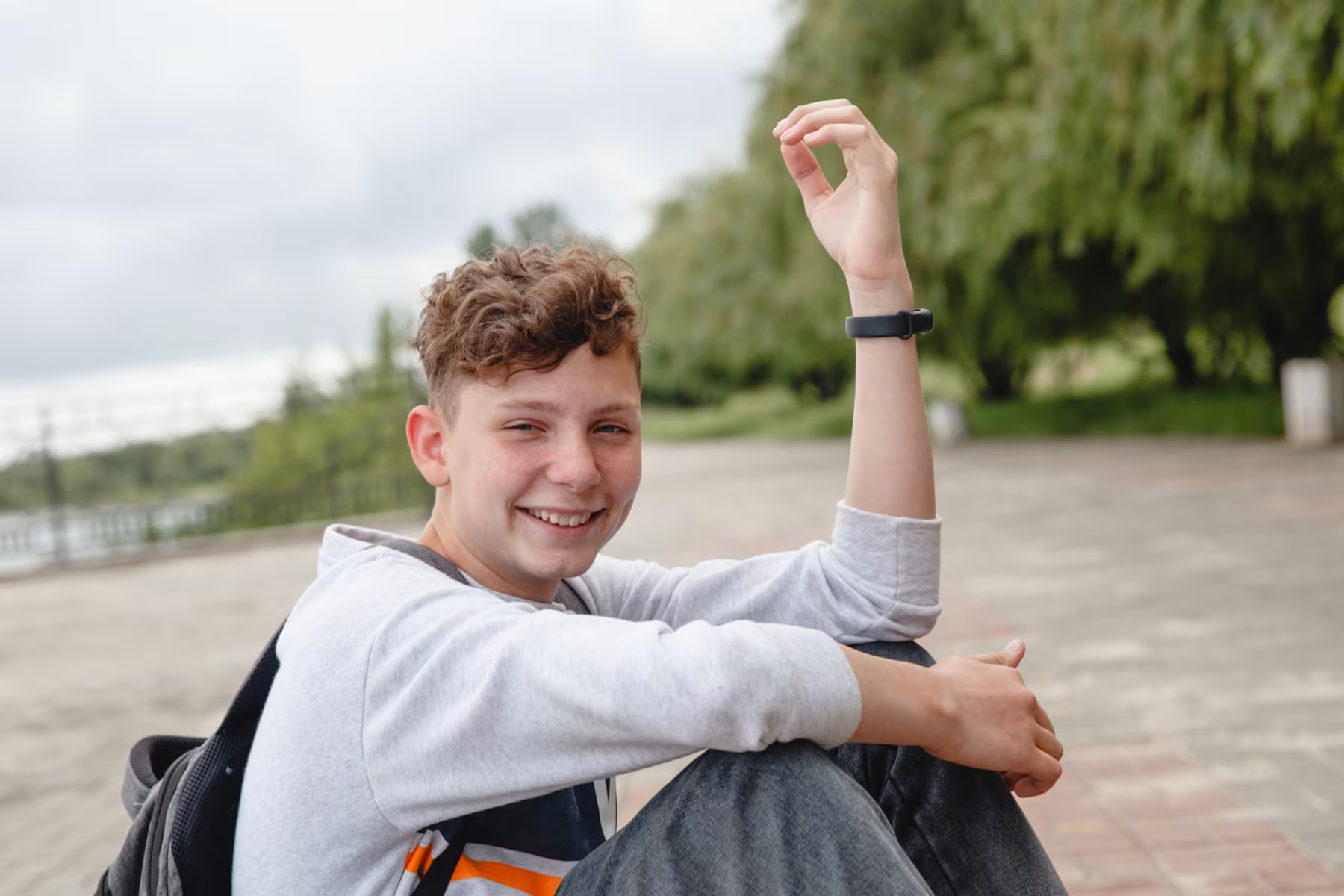
Measuring what matters: combining validated academic tools with real-world participant voices.
At Boys To Men, we measure our work not simply by headcount, but by genuine, lasting changes in a boy's confidence, resilience, emotional wellbeing, and aspirations.
Fifty boys developing stronger resilience and clear aspirations represent far greater impact than a hundred unengaged visits.
Evaluation begins and ends with the lived experience and feedback of young people.
Quantitative metrics provide scale; participant narratives provide meaning.
We use findings to continuously refine delivery and improve practice.
| Domain Measured | Validated Instrument Used | Target Outcome |
|---|---|---|
| Confidence & Self-Esteem | Rosenberg Self-Esteem Scale | Increased self-worth & personal efficacy |
| Mental Wellbeing | WEMWBS / SWEMWBS | Improved emotional wellbeing & resilience |
| Resilience | CYRM-R (Child & Youth Resilience) | Strengthened coping & adaptive skills |
| Sense of Belonging | PSSM (School Membership Scale) | Enhanced community & school connection |
| Hope & Aspiration | Children's Hope Scale (CHS) | Clearer goal-setting & future pathways |
| Behavioral Progress | Strengths & Difficulties (SDQ) | Reduced emotional distress & friction |
Family Welcome Visit establishes baseline metrics and baseline personal goals.
Mid-programme check-ins and Boys Passport milestone tracking.
Post-programme measurement using validated instruments to quantify growth.
Tracking educational retention, employment pathways, and community volunteering.